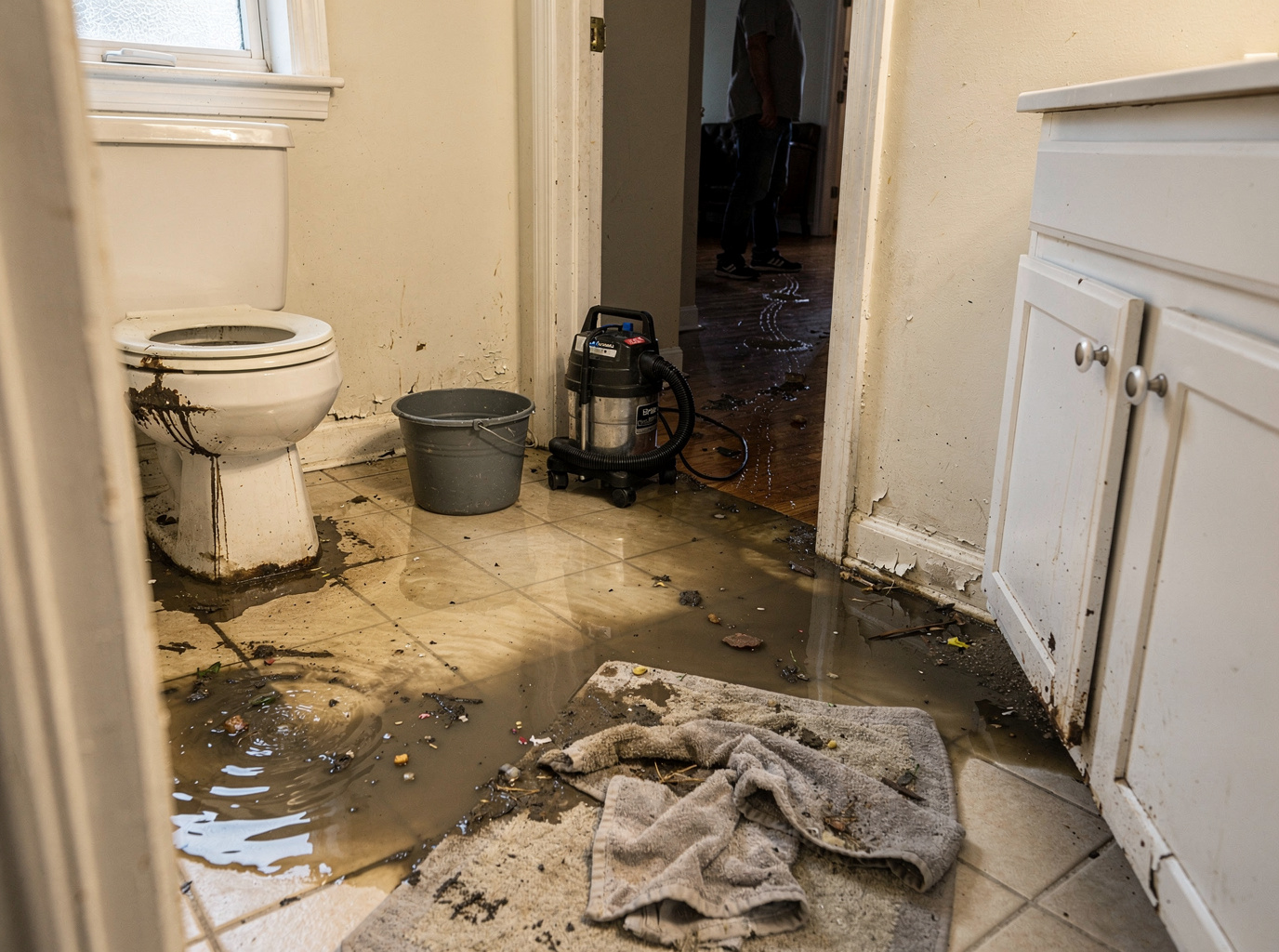
Sewage and contaminated water cleanup addresses water that carries bacteria, viruses, or other hazards, often called category three or black water. In Raleigh, heavy summer rains in the humid subtropical climate can overwhelm drainage systems in neighborhoods such as Oakwood, Boylan Heights, and Mordecai, where older homes may have aging sewer lines. Independent providers typically extract standing water, remove saturated materials, and apply antimicrobial treatments to reduce health risks from pathogens.
Common causes include sewer line backups, toilet overflows, or stormwater intrusion through foundations during storms. Warning signs range from foul odors and discolored water to slow drains or sewage appearing in basements. Materials like carpet, drywall, and subflooring in Wake County homes often require removal because porous surfaces trap contaminants. Edge cases involve mixed water sources where clean leaks combine with sewage, increasing the scope of demolition needed.
Safety concerns center on exposure to harmful microorganisms, especially in confined spaces or when HVAC systems circulate air through affected areas. Local providers may use personal protective equipment, containment barriers, and negative air machines during work. Moisture levels must be monitored with meters because residual dampness in Raleigh's mild winters can still support mold growth days after the initial event.
Raleigh Water Damage Help connects consumers with independent local service providers. We do not perform restoration services ourselves. Homeowners should verify any required permits with the City of Raleigh when structural changes occur and check whether their insurance policy covers sudden sewer backups versus gradual leaks.
Technician insight
In Raleigh, the thing that catches most people out with Sewage & Contaminated Water Cleanup is older clay sewer lines in places like Hayes Barton and Falls of Neuse that crack during heavy summer storms, letting groundwater mix with sewage and spread contamination under slabs faster than homeowners expect.
North Hills Basement Backup
Heavy rain overwhelmed a line in a North Hills home, sending sewage into the finished basement. The provider found water had wicked into drywall behind cabinets and under laminate flooring. Extraction, selective demolition, and drying were completed over several days, allowing the homeowner to begin repairs once clearance testing passed.
Sewage & Contaminated Water Cleanup Services We Offer
✓Sewage Backup Cleanup
A local restoration professional may extract sewage water, remove affected flooring and drywall, and sanitize surfaces in Raleigh homes after a line backup.
✓Contaminated Water Removal
An independent provider may pump out black water from basements or crawl spaces in neighborhoods like Five Points and apply disinfectants to reduce biohazard risks.
✓Raw Sewage Extraction
A local restoration professional may handle extraction of raw sewage from flooded areas near Cameron Village or Glenwood South and dispose of contaminated materials properly.
✓Black Water Restoration
An independent provider may assess damage from category three water in Wake County homes, remove unsalvageable items, and dry the structure to prevent secondary issues.
✓Flooded Basement Sewage Cleanup
A local restoration professional may clear sewage-contaminated water from basements in older Raleigh properties and treat surfaces to address contamination concerns.
How it works
- 1
Request Help
Call to get connected with an independent local service provider who may be available for sewage and contaminated water cleanup in Raleigh.
- 2
Provider Evaluation
The independent provider you are connected with assesses the affected area, identifies the water category, and discusses findings with the homeowner.
- 3
Scope And Terms
The provider determines the work scope, pricing, scheduling, and service terms based on site conditions and homeowner needs.
- 4
Work Performed
The provider performs the agreed-upon extraction, removal, drying, and sanitation steps subject to their own availability and terms.
Pricing
Costs depend on the category and volume of water, square footage affected, materials that must be removed, demolition needs, drying duration, and any mold growth discovered. Raleigh Water Damage Help does not set prices; the independent provider determines actual pricing after evaluating the property.